








Scratching is a horrible vicious cycle you cannot get out of when eczema gets bad. Here are some things that I’ve found have helped me to stop scratching, although stopping altogether is not always a realistic aim.
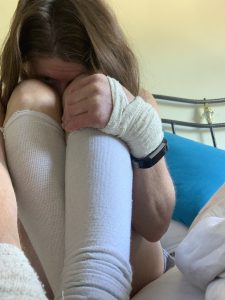
If you are itchy, don’t beat yourself up that you scratch. It’s OK to scratch. Sometimes the itch is so bad you cannot avoid it, but there are some things that might help you control the itch, scratch a little less and hopefully do less damage when you do.
- Wear cotton tights, long over the knee socks with trousers or merino longs which just act as a slight barrier can help. You can’t get to the itch so easily which makes you stop and think and try harder not to give in and scratch. Only really good in winter.
- Keep your nails short and always filed smooth so that you can’t do so much damage if you do have to have a good scratch.
- Stroking the area or pressing hard on it with a finger tip or fingernail.
- Holding something hot on it, running very hot water on your hands or soaking in a really hot bath
- Epsom salts or other Dead sea salt bath preparation, make sure it’s 100% salt, can really help to give the skin an intensive healing. The longer you can soak in the bath the better. I always go for hot baths but some suggest a warm bath instead so you don’t wake up the skin, make it hot and so encourage itching and scratching.
- Avoid harsh soaps which can irritate sensitive skin. Use your prescribed emollient to wash with or try sensitive skin show gels like Sanex or Simple products.
- Holding an ice pack on itchy areas when it feels really hot and irritated.
- Wearing cotton gloves in bed at night. Generally this only works in winter as it just feels too hot the rest of the year.
- Stay cool, make sure you don’t get over heated, especially in bed as that way leads to scratching
- Wear soft cotton night clothes or none at all!
- Moisturise – Always apply plenty of emollient before going to bed, even if your skin feels OK. It’s often too late when you wake in the night itchy because your skin is now dry and tight and sore
- Use a body brush to slough off dead skin. The bristles are soft enough that you can get a bit of a scratch in without damaging your skin. Not a good idea on already broken skin though…
- Take antihistamines before going to bed if you’re really itchy. They can help and the kind that make you drowsy may even help you sleep.
- Change bedding regularly, especially if you’ve scratched and bled in the night or emollients are coating the sheets. Fresh, clean cotton bedding not only feels nice, you will also feel more strongly about not getting any more blood on it.
- Avoid allergy triggers – If you have a dust allergy invest in mattress, duvet and pillow covers. Don’t make the bed in the morning, instead fold back bedding so it can air, instead of making a nice warm place for dust mites to breed.
- Look at your surroundings – Keep your bedroom cool and well ventilated and treat and eradicate any mould in the room.
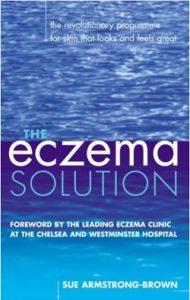
- Read “The Eczema Solution’ by Sue Armstrong-Brown. It isn’t a complete solution but you will learn a lot about yourself, your scratching habits and possible ways of coping with the itch. Click here to get your copy: The Eczema Solution
- If you’re a secret scratcher who sneaks off to their bedroom, the loo, anywhere, for a quick scratch in private, try to have some awareness of this so that sometimes you might stop yourself or cause less damage. ie. if you always scratch in the shower, have the water cooler and take less time, get out sooner so you don’t get so itchy. If you find yourself scratching your legs when you’re sitting on the loo, hold something in your hands, to occupy yourself. This could be just the loo roll. By being aware of habitual scratching you can avoid some triggers and stop yourself before you wake up the skin and create more of a problem.
- Recognise stress triggers – Try to avoid stressful situations or begin to recognise when you’re stressed and whether you scratch more
- Keep a food, mood and symptoms diary – no amount of habit reversal and understanding of your skin will help if something you are eating, doing, putting on your skin is irritating it. Keep a note of every food you eat, drinks too, whether you change washing powder, soap or moisturiser. Note your moods, what you did that day; exercise, party, stressful situation etc. It’s time consuming and may seem like a laborious waste of time but if you suspect something is causing flare-ups this may help you to pinpoint what the trigger is. It may also help you explain and demonstrate more confidently when you visit your doctor or dermatologist for help.
- Understand your eczema – there are different kinds which may respond to different treatment. Nodular Prurigo can be by far the most itchy, comes up as hard lumps which bleed furiously and can take weeks or even months to heal. Speak to you doctor about possible treatments and ask to be referred to a dermatologist of you don’t think you’re being taken seriously.
- Join the Eczema Society – It’s fairly cheap to join and you will receive their magazine, Exchange, packed with the latest news, advice and thinking on eczema treatment. They are also getting into social media and share regular tips, run polls and help spread the word about the psychological impact of living with eczema. www.eczema.org/
- Cut down on processed food – it’s harder for your body to digest and could exacerbate eczema as it can be packed with sugar, unnatural ingredients and additives.
- Avoid too much alcohol – Although it may feel like you need a bottle of wine to de-stress, it will most certainly dehydrate your body and just add the many things that could irritate your skin. If you do feel like a drink, moderate your intake and drink plenty of water too.
- Speak to a nutritionist – there are lots of vitamins and minerals which are vital for healthy skin. People with eczema can be deficient in some of these and taking a supplement or looking at your diet to ensure you eat plenty of natural sources could help. Calcium, vitamin E, zinc, selenium, vitamin D, magnesium, vitamin C to name just a few.
- Try some natural emollients such as 100% organic shea butter or coconut oil. They are very nourishing, packed with goodness and you won’t be putting paraffin and other nasty sounding emollient ingredients on your skin.
- Get some exposure to the sun – try to get about 20 minutes of sun on your skin before covering up and getting out the sunscreen. Studies show that vitamin D from the sun can be very beneficial to skin health and improve eczema. Remember to cover up though, sunburn most definitely isn’t good!
- Stay hydrated with plenty of water and herbal tea.
- Water Softeners – If you live in a hard water area look into water softeners. Does your skin improve when you stay in an area with soft water? It can be an expensive investment but if your skin heals it could be worth the cost. I got one last year and it’s really helped my skin to be more resilient, less dry and softer. Read 20 Reasons to get a Water Softener.
- Stop nagging – Explain to friends and family how hard it is to stop scratching and ask them to STOP nagging you all the time. Tell them it only makes it worse and makes you feel guilty. Instead perhaps they could make you a nice cup of tea, help you relax, put your feet up, give you a deep muscle shoulder massage… anything to take your mind off scratching that is not nagging and constantly saying STOP Scratching!

Little changes to your lifestyle can have big impacts on your quality of life. We are all unique and eczema is different for all or us, what helps me might have no effect for you at all. It’s all about trying things, watching, learning and trying to take control back from eczema.
How do you avoid scratching? Do you hate it when other people constantly say, “stop scratching” to you?
One last comment i’d like to make, is that if you are itchy, have a scratch. It’s not a crime, it’s natural, eczema is so itchy and impossible to avoid scratching sometimes. Don’t beat yourself up if you do scratch, just be kind to yourself. It’s OK to scratch, it will heal again and you are not bad for scratching.



Hi,
We have had great success with our clients that use our all natural handmade soap. please see http://www.airmidsoap.com & reviews.
Thanks Tina, the soaps look lovely. I find that avoiding highly fragranced and perfumed soaps help my skin. I can use soap that doesn’t contain irritants but never on my face!
I have suffered eczema my whole life and am now undertaking Topical Steroid Withdrawal. I’m 4 months in to a long process. It’s a tough road and not for everyone but the rewards are incredible and already I am seeing positive changes in my skin the likes of which I haven’t seen in many years. For anyone who has been using Topical Steroids as an on going treatment for their eczema I would encourage them to look into this.
There are also some great groups on facebook for eczema sufferers, with many others who are willing to share tips and tricks similar to the ones listed above.
Don’t suffer needlessly, there is lots of information out there if you look for it. Good luck to all.
I think I need to do this but am so busy with work and travelling I don’t know how I would cope turning up to events red raw and covered in nodular prurigo and sore skin. I am really thinking of this though. I should do it. I can go months with no steroids and then a relapse so no idea how hard it would be for me. I use Elocon which seems to calm my flares and Protopic. What steroids were you using?