








This week I ate a meal with Soya sauce that contained lactic acid. The meal was lovely and I checked the ingredients and thought, well it doesn’t say it contains dairy, it just says it contains soya and wheat, which I can eat in small amounts so things should be fine.
Blue Dragon light soya sauce ingredients: Ingredients: Water, Soy Sauce Extract (15%) (Water, Soya Beans, Wheat, Salt), Sugar, Salt, Colour: Ammonia Caramel; Lactic Acid, Preservative: Potassium Sorbate.
I’ve researched lactic acid before and suspected it might be causing me a problem, read more in another blog post, “What on earth is lactic acid?”.
Since writing this I’ve eaten things with lactic acid in them where it doesn’t say it’s from dairy. If it’s from dairy I’ll steer well clear. But, if it’s derived from corn, molasses, or other sources, I should be fine with it, right?
Well I’m not. EVERY time I’ve eaten something containing any lactic acid I have had a minor allergic skin reaction. I say minor, it’s still not nice. I wake the following day or sometimes the day after that, with raw, red skin on my face that feels hot, incredibly itchy and looks like bad and swollen sun burn. It can be deep purple like a bruise when it’s really bad and feels dry and crusty. As it heals it then progresses to the really dry and flakey stage and finally, new skin appears underneath.
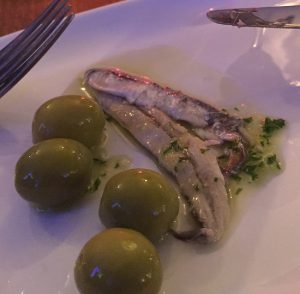
Lactic acid can be found in so many processed foods including cooked meats, olives, processed ready meals, pickled foods etc.
So, is this because the lactic acid contained dairy which wasn’t labelled, or is it the acid itself that’s causing me a problem? I’m looking into acid and alkaline diets so will be blogging about this in future posts; could it be that acid itself is giving me this reaction? I’m pretty sure this is solely happening when I have lactic acid and lactic acid only.
What is lactic acid for anyway? How do they get corn, mollasses or potato starch to lactate? What funtion does lactic acid perform in food production? Is it really necessary? Is there a real unadulterated ingredient which could do the same thing? or could it be left out altogether? Not all products have it in so why do some need it?
Citric acid doesn’t cause me a problem. I can eat citrus fruits and cook with lemons quite a lot. So what’s going on here? It’s just another thing to avoid, not so hard really because I generally cook everything from scratch and on this occasion this week, I only had to say, no I can’t eat the Soya sauce because of the lactic acid and I’d have been fine. But I decided, in my very own, ‘not wanting to be a pain and make every meal someone cooks me bland and prevent them from using normal ingredients if I can’ way, that everything would be fine.
Well it is fine, really. Husband-who-can-eat-everything (I must point out here, he reads these blog posts and he too has an allergy to snails, which I tend to forget about, but hey, snails are easy to avoid… so really, he can eat pretty much everything. Thus proving I am right again, as always) persuaded me to go out cycling last night, despite the pain of sweat on my sore face and (in my own head only) the humiliation of eating a meal in our favourite pub where people know me and I can see the pity in their eyes…(oh do shut up Ruth) We had a lovely evening.
I enjoyed a very tasty ham, egg and chips and a few pints in the summer evening, enjoying the last rays and, actually, the sweating made my skin feel much better once I’d washed my face. I think exercise does help to flush out whatever nastiness is hurting you faster than it would work its way out normally. It also helps to take your mind off the pain and concentrate on moving and not falling off your bike, or whatever exercise you’re doing.
Sauna’s are also a great way to shift an allergy face, if you have access to one. We’re toying with the idea of building a proper, old fashioned, coal fired one in our back garden. Whenever I feel a reaction coming on I could whizz out, light the sauna, get icing the rash first of all while it warms up and then wham – sweat it out. It’s a pipe dream that we’ll probably never get around to but it would be great fun too. It’s on my long list of things to do.
If you’ve never had to pull yourself together and go out with an allergy face, eczema and visible psoriasis and battled comments from people about said skin health, you might not understand. It is far easier to mope, hide away and wait till it gets better, but that way leads to a depressing and lonely few days. Far better to get out there. Ignore the pain and do some exercise, if you can bear it, see people, if you can stomach that and generally move and be.
It never looks as bad as you think and most people will not comment on your skin. If they do, most of the time it’s out of genuine concern. The odd few ignorants don’t mean to hurt you really so just reply with the truth and change the subject. This generally works, makes them feel a little uncomfortable sometimes but it’s far more positive than getting upset, which I have done on many occasions in the past.
Here’s a few replies you could try out:
“Yes, I’ve caught the sun again… ha ha ha. It was pretty hot actually and burnt my hands. Won’t be trying that again. Hot potato that old sun.”
“Oh, no, this is a new make-up range I’m trying out, it’s called red and rosy. What do you think? Suit me?”
“What have I done to my skin? Oh, this is normal. Actually it’s really good at the moment thanks.”
“Have I been to the doctors? You know I might just try that. Thanks!”
“Do I moisturise enough? Well, there are never enough hours in the day, so please excuse me while I go and get in another moisturising session.”
So, to end this little blog post about avoiding lactic acid, next time you buy any sauces or someone is cooking for you, watch out for lactic acid in things where you least expect it. If you think a meal may contain any sauce or gravy when you’re eating out, ask for no sauce, unless you are able to speak to the chef and check the labelling with them. It’s very hard to communicate fully through waiting staff when you have a long list of allergies to relay.
My advice? Avoid lactic acid if you have a dairy allergy. It doesn’t sound very nice anyway.
Enjoy the sun and remember, don’t get sunburnt!


Lactic acid isn’t something I have paid attention to until the other week when I complained of constant stomach pains after eating tesco dairy free cheese. Someone (also dairy free like me) said they avoided it for the lactic acid. I asked Tesco to explain themselves and I got a blunt reply “Purposely produced for those that can’t have dairy products for whatever reason. It definitely doesn’t contain any dairy or dairy derived ingredients.” I’m still in a muddle about lactic acid.
Read the other link above called What on earth is lactic acid? Some say we should be OK but I am most definitely not. So who knows. I am still trying to fathom how lactic acid can be labelled as dairy free because it always gives me a reaction.
Hi Ruth,
As far as my research has gone, the vast majority of lactic acid is corn-derived and rarely from dairy. When i was doing the supplement research certainly every time I asked, it was corn. Similarly, citric acid is rarely actually from citrus, but also from corn. The flipping stuff is ubiquitous.
Hi Micki. So why do I get a pretty bad reaction to lactic acid EVERY time, no matter what the source? Yet I can eat the origin products that might be used to make it? I can eat sweetcorn, and cornflour and corn flakes… What do they do to the corn to make it lactic? lactate? What is lactic acid for? Why is it even needed? What does it do? It just sounds horrible. And is citric acid not from citrus? Crikey! THAT is weird.
You could try researching vegetarian or vegan sources since they are trying to avoid milk products – just for a different reason.
Hi Keene. Vegan stuff is often good for me, but often uses lactic acid from corn, mollasses etc. Good point though. However, most of these lactic acids are NOT from dairy, or so it seems, so I need to find out why, something I can normally eat without a problem ie. corn, potato and mollasses is suddently turned into poison during this process of adding chemicals of some sort to do something clever to make it into a lactic acid. Down with processed foods. Just when I think I’m avoiding them even soya sauce is adulterated.
Don’t know Ruth, as far as I know, lactic acid is fermented using enzymes on sugar, mostly corn-derived even though lactic acid naturally ferments from lactose, the milk sugar. It is a synthetic, chemically-made product so they could be doing anything with it. I wonder what the source of the enzymes are maybe, or if you have a problem with fermented foods. Same goes for citric acid, made in same way as far as I know, but, sorry, very rarely from citrus foods! Like practically all supplementary and added Vitamin C is made from corn, who would have thunk that?!!
Hi Micki. Yes it’s all very confusing. Why do they not call it something else. If it’s not from citrus, why call it citric acid? If it’s not lactic from milk, why call it lactic acid? It could be something to do with the make-up of whatever it is, that the end product mimics lactic acid, or maybe I’m just allergic to lactic acid, whatever it’s derived from, because they are similar in some way. Am looking for a scientist to explain all this to me. It’s a bit like being at a masked ball!
I confess most of the time I give up trying to find out the processes; much of it is hidden from us. I despaired last year when I did the review of 50+ supplement companies; many of them hadn’t even a clue what they were selling and those who did were very cagey about how the things were actually made. Happily, a few have been transparent enough for us to find the suitable grain, dairy, legume etc free products needed to get well instead of exacerbate the problem.. Sorry, can you tell I have just been ranting at a company? A major core allergy product has just had colostrum added to it. That’s colostrum from cows and therefore a dairy ingredient. In an allergy product. Designed to heal the gut of hyper-sensitives. My head is in my hands.
Hi Ruth.
I am in a similar quandary, found your blog via Google search on “lactic acid” and “soy sauce.” I have a milk allergy where if I consume it, I feel stomach pains and bloats that don’t go away until it’s completely left my system.
Tonight, I prepared chicken fried rice in bulk for my bf and me to eat for dinner over the next few days – chicken, rice, fresh veggies, garlic, scallions, fresh ginger, egg, sesame oil, soy sauce. About an hour later, I’m feeling those familiar stomach bloaty pains- but what on earth could be causing them? I saw that the soy sauce that I had used (Tamari Lite, low sodium) lists lactic acid as an ingredient. So I spent the past hour reading about it online, how usually lactic acid isn’t derived from dairy and thus okay for milk allergies. But I can’t imagine what else could be causing my stomach pains, the bf’s tummy is fine.
I think I’ll be avoiding leftovers. Sigh, so sad. My bf is going to get so sick of fried rice… or maybe not, he did like it.
It’s very annoying Carrie and I’m at a loss myself. When I check with food companies they say there is no dairy lactose in their lactic acid but it still affects me just as if I’ve eaten dairy which is pretty bad. I get hives all over, awful, and the skin on my face gets so swollen it looks like it’s burnt, red and livid. So what is this lactic acid? Is it somehow so similar in structure to dairy that our bodies are getting it confused? Either way it’s off the menu. Glad to be of help.
Closest I could figure is the fact our corn is made from chemicals now
A sad but true fact. it could be that. Who knows.